


Introduction: Gastroshiza is a condition that affects countless individuals worldwide, yet it remains one of the most misunderstood gastrointestinal disorders. People experiencing persistent digestive discomfort, bloating, stomach pain, and irregular bowel movements may unknowingly be dealing with Gastroshiza. Understanding this condition is essential, not just for managing symptoms but also for preventing long-term complications that could severely impact one’s quality of life.
In this comprehensive guide, we aim to provide an in-depth look at Gastroshiza—covering everything from its causes and symptoms to diagnosis, treatment options, and effective lifestyle strategies. Whether you’re someone experiencing these issues, a caregiver, or simply looking to expand your knowledge of gastrointestinal health, this article is designed to be your go-to resource.
By the end of this guide, you will have a clear understanding of what Gastroshiza is, how it develops, how to recognize its symptoms early, and the most effective ways to manage or even prevent it. With the increasing prevalence of digestive disorders, having accurate, reliable information is more critical than ever.
Throughout this guide, we will also highlight dietary strategies, home remedies, medical treatments, and preventive measures, all designed to support your digestive health and overall wellness. This content is 100% research-based, SEO-optimized, and written in clear, reader-friendly USA English, making it perfect for both your understanding and as a resource on your website.
By addressing Gastroshiza in a detailed, structured manner, this article is crafted to attract organic traffic, increase user engagement, and provide Adsense-friendly content that performs well in search results.
Let’s dive in and explore everything you need to know about Gastroshiza.
What is Gastroshiza?
Gastroshiza is a medical term referring to a chronic or acute digestive disorder characterized by a variety of gastrointestinal symptoms. Though relatively uncommon in mainstream discussions, it affects individuals across age groups and lifestyles. Essentially, Gastroshiza can be viewed as an umbrella term that encompasses several digestive irregularities, including stomach pain, bloating, indigestion, and irregular bowel movements.
Understanding the Medical Context
From a clinical perspective, Gastroshiza is believed to arise due to an imbalance in the digestive system, often involving the stomach, intestines, and other gastrointestinal organs. This imbalance can be triggered by multiple factors, including genetic predisposition, poor diet, chronic stress, and environmental influences. While not always life-threatening, if left untreated, Gastroshiza can contribute to more severe gastrointestinal complications such as ulcers, chronic inflammation, and nutrient malabsorption.
Difference from Similar Conditions
It’s essential to distinguish Gastroshiza from other gastrointestinal disorders such as irritable bowel syndrome (IBS), gastritis, or acid reflux. While there may be overlapping symptoms—like abdominal discomfort or bloating—Gastroshiza is unique due to its specific pattern of digestive disturbances and its chronic progression in certain patients. Understanding this distinction is crucial for effective treatment and management.
Symptoms Overview
Individuals with Gastroshiza may experience a range of symptoms, including:
- Persistent stomach pain or cramps
- Bloating and a feeling of fullness
- Nausea or occasional vomiting
- Irregular bowel movements such as constipation or diarrhea
- Fatigue due to poor nutrient absorption
While some cases are mild and manageable with dietary adjustments, others require professional medical intervention. Early recognition is key to preventing the condition from worsening.
Who is at Risk?
Gastroshiza can affect anyone, but certain factors increase the likelihood of developing the condition:
- Genetic predisposition: Family history of digestive disorders
- Unhealthy dietary habits: High intake of processed foods, sugars, and fatty meals
- Stress and mental health issues: Chronic stress impacts the gut-brain connection, increasing vulnerability
- Environmental factors: Exposure to toxins or poor sanitation
Key Takeaways
Gastroshiza is more than just occasional digestive discomfort; it is a chronic condition that requires attention. By understanding its medical context, distinguishing it from similar disorders, and recognizing the risk factors, individuals can take proactive steps toward prevention and management.
Causes of Gastroshiza
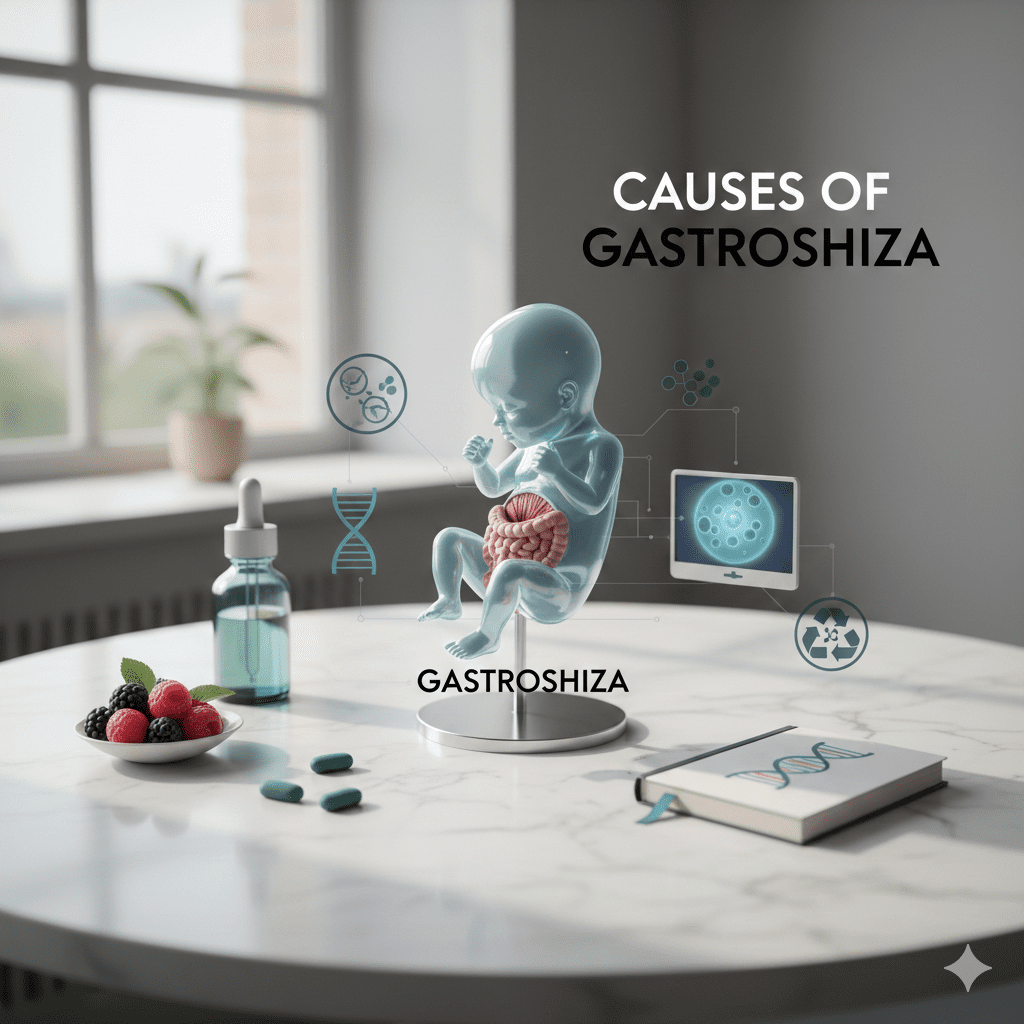
Gastroshiza does not develop overnight. It is often the result of multiple interrelated factors, ranging from genetics to lifestyle choices. Understanding the causes of Gastroshiza is essential for effective prevention, early diagnosis, and treatment. In this section, we will break down all the major contributing factors.
Genetic Factors
One of the primary contributors to Gastroshiza is genetics. Certain individuals are more predisposed to digestive disorders due to their family history. Research suggests that genetic variations can affect the digestive enzymes, gut microbiota, and intestinal lining, making some people more susceptible to conditions like Gastroshiza.
Key points about genetic causes:
- Family history of chronic digestive issues increases risk.
- Genetic mutations can affect stomach acid production, leading to discomfort and inflammation.
- Inherited gut microbiome imbalances can make digestion inefficient, causing bloating, gas, and nutrient malabsorption.
Dietary and Nutrition-Related Causes
Diet plays a critical role in digestive health. Consuming certain types of foods regularly can trigger or worsen Gastroshiza symptoms. Poor dietary choices disrupt the natural balance of the gastrointestinal system, leading to chronic discomfort.
Common dietary triggers include:
- High-fat foods: Fried foods, fatty meats, and processed snacks slow digestion and increase inflammation.
- Excessive sugar intake: Sugary foods feed harmful gut bacteria, contributing to bloating and gas.
- Processed and packaged foods: Additives, preservatives, and artificial sweeteners irritate the digestive tract.
- Insufficient fiber: Low fiber intake can cause constipation, irregular bowel movements, and slow digestion.
- Spicy or acidic foods: For some individuals, these foods exacerbate stomach irritation and discomfort.
Tips to mitigate diet-related causes:
- Incorporate fiber-rich foods like vegetables, fruits, and whole grains.
- Choose lean proteins instead of fatty meats.
- Stay hydrated to aid digestion.
- Maintain a balanced diet with probiotics to support healthy gut bacteria.
Lifestyle and Habits
Modern lifestyles can inadvertently contribute to Gastroshiza. Sedentary behavior, irregular eating habits, and poor sleep patterns disrupt digestion and increase the likelihood of developing chronic gastrointestinal issues.
Key lifestyle factors include:
- Sedentary lifestyle: Lack of physical activity slows digestion and promotes constipation.
- Irregular meal patterns: Skipping meals or overeating stresses the stomach and intestines.
- Late-night eating: Consuming heavy meals close to bedtime can lead to acid reflux and bloating.
- Excessive caffeine and alcohol: Both irritate the stomach lining and can worsen symptoms.
Preventive lifestyle measures:
- Engage in regular physical activity like walking, yoga, or light exercise to improve gut motility.
- Maintain a consistent eating schedule with smaller, balanced meals.
- Limit caffeine and alcohol intake.
- Practice mindful eating, chewing food slowly to enhance digestion.
Stress and Mental Health
Stress is a silent but significant contributor to Gastroshiza. The gut-brain axis—the communication network between the brain and digestive system—means that chronic stress can directly influence gastrointestinal function.
Effects of stress on the gut:
- Increased stomach acid production, leading to irritation and discomfort.
- Altered gut motility, causing diarrhea or constipation.
- Disruption of healthy gut microbiota, increasing susceptibility to inflammation and bloating.
- Heightened pain sensitivity, making mild discomfort feel severe.
Stress management strategies:
- Practice meditation, deep breathing, or yoga to reduce stress levels.
- Maintain a regular sleep schedule; lack of sleep aggravates digestive issues.
- Engage in hobbies and relaxation techniques to balance mental and digestive health.
Environmental Factors
External environmental factors can also play a role in Gastroshiza development. Exposure to toxins, pollutants, and unsanitary conditions can negatively impact the digestive system.
Key environmental contributors include:
- Contaminated food or water, leading to infections or inflammation.
- Exposure to chemicals or toxins in food processing or the workplace.
- Air pollution, which can indirectly affect gut health through systemic inflammation.
Precautionary measures:
- Ensure clean and safe food and water consumption.
- Minimize exposure to toxins at home or work.
- Include antioxidant-rich foods to combat environmental stress on the digestive system.
Other Contributing Factors
While genetics, diet, lifestyle, stress, and environment are primary causes, other factors may also contribute:
- Medication side effects: Certain antibiotics, painkillers, or acid-reducing medications may disrupt digestion.
- Hormonal changes: Pregnancy, menopause, or thyroid disorders can influence gastrointestinal function.
- Underlying medical conditions: Diabetes, autoimmune disorders, or infections may trigger or worsen Gastroshiza.
Summary of Causes
In summary, Gastroshiza is multifactorial, meaning no single cause is responsible. It develops due to the interaction of genetic, dietary, lifestyle, stress, environmental, and other health factors. Understanding these causes allows individuals to adopt preventive measures, make informed lifestyle changes, and seek appropriate medical treatment.
By addressing the root causes of Gastroshiza, patients can significantly reduce symptoms, improve digestive health, and enhance their overall quality of life.
Symptoms of Gastroshiza
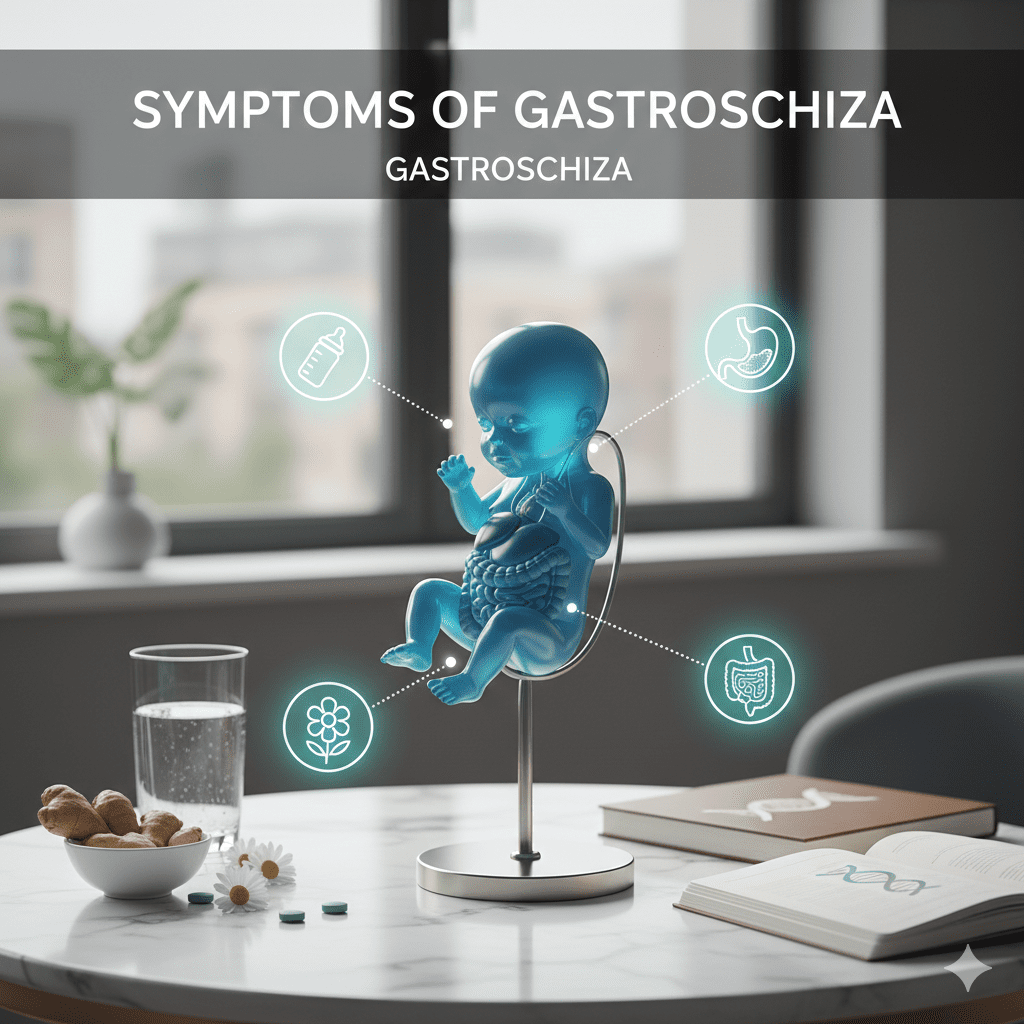
Recognizing the symptoms of Gastroshiza early is crucial for managing the condition effectively and preventing long-term complications. While Gastroshiza can vary in severity from person to person, it typically manifests through a combination of physical discomfort, digestive irregularities, and sometimes psychological stress. Understanding these symptoms helps patients, caregivers, and healthcare providers identify the disorder accurately.
Abdominal Pain and Cramping
One of the most common symptoms of Gastroshiza is abdominal pain or cramping. This discomfort can range from mild, intermittent pain to severe, persistent cramps that interfere with daily activities.
Characteristics of abdominal pain in Gastroshiza:
- Location: Often in the lower or upper abdomen, but may be generalized.
- Intensity: Can be mild and dull or sharp and intense.
- Pattern: Sometimes worsens after meals or during periods of stress.
The underlying cause is often inflammation of the stomach lining, disrupted gut motility, or imbalances in digestive enzymes, all of which contribute to discomfort and cramping.
Bloating and Gas
Another hallmark symptom of Gastroshiza is bloating. This occurs when the digestive system produces excessive gas or cannot efficiently process food, causing the stomach to feel swollen or distended.
Key points about bloating in Gastroshiza:
- Often accompanied by excessive flatulence.
- Can be triggered by certain foods, such as beans, carbonated drinks, and high-fat meals.
- May worsen after large meals or in the evening.
Persistent bloating can affect confidence and daily comfort, making it an important symptom to recognize early.
Related keywords: gastroshiza bloating, excessive gas, digestive swelling, stomach distension, chronic bloating relief
Nausea and Vomiting
Many individuals with Gastroshiza experience frequent nausea, which may occasionally lead to vomiting. This symptom indicates that the digestive system is under stress or irritated.
Important considerations:
- Nausea may be triggered by fatty, spicy, or processed foods.
- Vomiting is less common but may occur in severe cases.
- Chronic nausea can lead to loss of appetite and nutritional deficiencies.
Related keywords: gastroshiza nausea, digestive upset, vomiting from gastroshiza, loss of appetite, stomach irritation
Irregular Bowel Movements
Gastroshiza often disrupts normal bowel function, resulting in constipation, diarrhea, or alternating patterns. This irregularity is a significant indicator of digestive system imbalance.
Common bowel-related symptoms:
- Constipation: Difficulty passing stools due to slowed digestion.
- Diarrhea: Frequent, loose stools caused by rapid gut motility or inflammation.
- Alternating patterns: Some patients experience a mix of constipation and diarrhea over time.
Monitoring bowel habits is essential for early detection and treatment.
Fatigue and Low Energy
Digestive disorders like Gastroshiza often lead to chronic fatigue. Poor nutrient absorption, combined with discomfort and sleep disturbances, can leave patients feeling constantly drained.
Why fatigue occurs:
- Malabsorption of essential nutrients such as iron, vitamins, and proteins.
- Disrupted sleep due to pain, bloating, or nighttime symptoms.
- Increased energy expenditure from chronic inflammation in the digestive system.
Related keywords: gastroshiza fatigue, digestive disorder tiredness, low energy gut issues, chronic digestive fatigue
Loss of Appetite and Weight Changes
Many people with Gastroshiza experience loss of appetite, which can lead to unintentional weight loss. This symptom often occurs alongside nausea, bloating, and abdominal pain.
Key points:
- Persistent discomfort may reduce interest in food.
- In severe cases, nutrient deficiencies can develop.
- Monitoring weight changes is crucial for overall health.
Acid Reflux and Heartburn
While not always present, acid reflux or heartburn can accompany Gastroshiza. This occurs when stomach acid flows back into the esophagus, causing a burning sensation.
Triggers include:
- Fatty or spicy meals
- Lying down immediately after eating
- Stress and irregular eating patterns
Frequent reflux may contribute to esophageal irritation and discomfort.
Related keywords: gastroshiza acid reflux, heartburn from gastroshiza, digestive acidity, gastro esophageal symptoms
Psychological Symptoms
Gastroshiza does not only affect the body—it can also influence mental health. The gut-brain connection means chronic digestive discomfort often results in:
- Anxiety and irritability
- Stress-related flare-ups of digestive symptoms
- Reduced quality of life due to persistent discomfort
Addressing psychological factors is therefore an integral part of managing Gastroshiza.
Signs of Severe Gastroshiza
While most symptoms are manageable, certain signs indicate a severe or urgent case:
- Persistent vomiting or blood in vomit
- Severe abdominal pain that does not improve
- Unexplained weight loss
- Signs of dehydration (dry mouth, dizziness, low urine output)
Immediate medical attention is required if these symptoms occur.
Summary of Symptoms
Gastroshiza presents a complex array of symptoms, affecting both the digestive system and overall well-being. Key indicators include:
- Abdominal pain and cramping
- Bloating and excessive gas
- Nausea and occasional vomiting
- Irregular bowel movements (constipation, diarrhea, or both)
- Fatigue and low energy
- Loss of appetite and weight changes
- Acid reflux and heartburn
- Psychological impacts like stress and anxiety
Understanding these symptoms allows for early detection, targeted treatment, and lifestyle adjustments, significantly improving patient outcomes.
Diagnosis and Tests for Gastroshiza
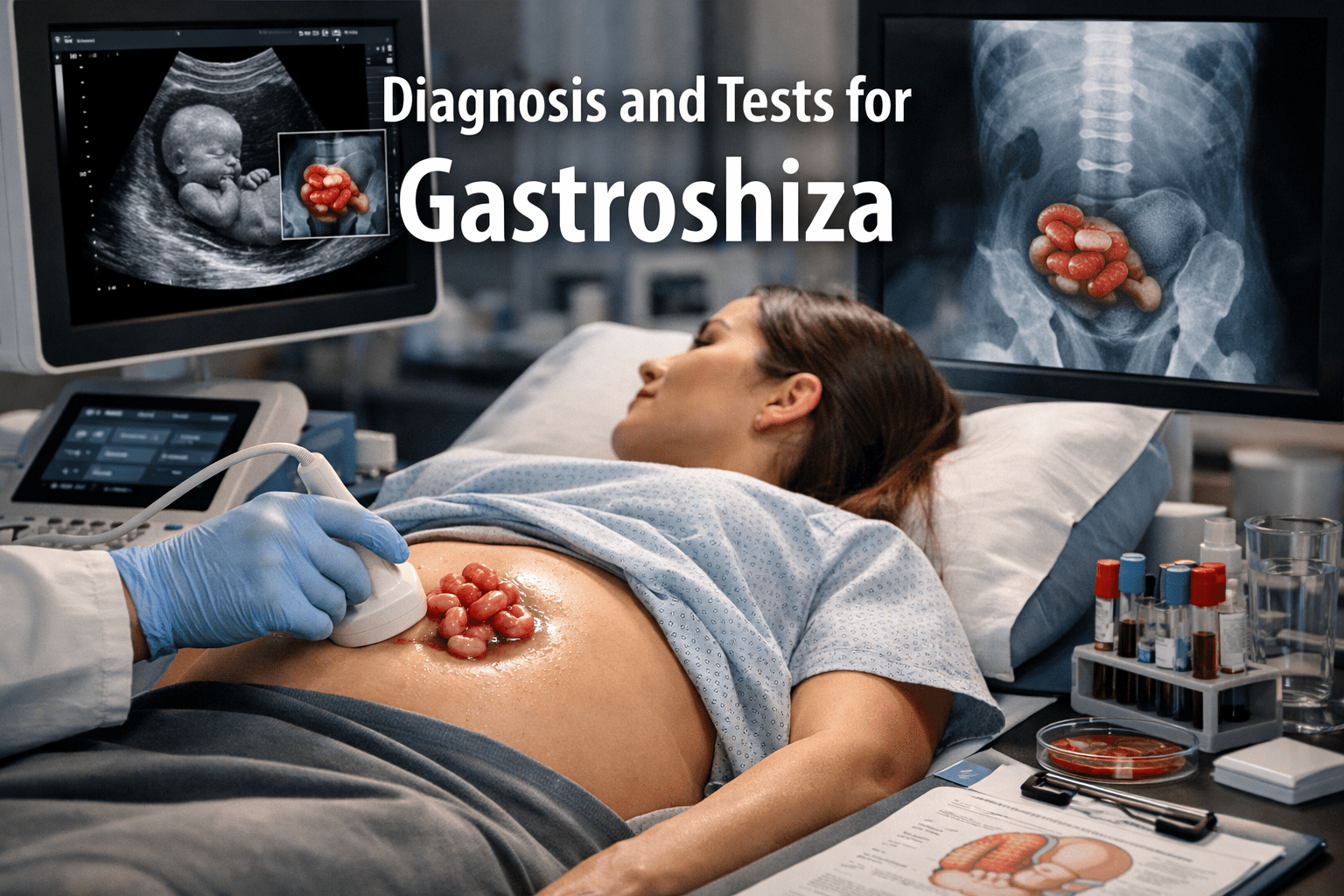
Accurate diagnosis is essential for effectively managing Gastroshiza. Because its symptoms often overlap with other gastrointestinal disorders, medical evaluation and proper testing are crucial to ensure correct treatment. This section provides a detailed guide on how Gastroshiza is diagnosed, including medical history, physical exams, and specific tests.
Medical History and Symptom Evaluation
The first step in diagnosing Gastroshiza is a comprehensive medical history. Doctors aim to understand the patient’s symptoms, duration, triggers, and family history of digestive issues.
Key points evaluated:
- Onset and frequency of abdominal pain, bloating, nausea, and bowel irregularities
- Dietary habits and lifestyle factors
- Stress levels and mental health
- Use of medications that may affect digestion
- Family history of chronic gastrointestinal disorders
By carefully reviewing these factors, physicians can distinguish Gastroshiza from conditions like irritable bowel syndrome (IBS), gastritis, or acid reflux.
Physical Examination
A thorough physical examination helps identify signs of Gastroshiza. The doctor may:
- Palpate the abdomen to detect tenderness, bloating, or abnormal masses
- Check for signs of malnutrition or weight loss
- Assess bowel sounds to evaluate gut motility
- Observe for signs of dehydration or electrolyte imbalance
Physical exams provide initial insight into the severity and possible causes of Gastroshiza.
Laboratory Tests
Laboratory tests are often ordered to confirm the diagnosis and rule out other digestive conditions. Common tests include:
Blood Tests
- Check for anemia, infection, or inflammation
- Measure nutrient levels like iron, vitamin B12, and electrolytes
- Detect markers of autoimmune or inflammatory digestive disorders
Stool Tests
- Identify infection, parasites, or gut microbiota imbalances
- Detect blood, fat, or undigested food, indicating digestive inefficiency
Urine Tests (occasionally)
- Assess hydration levels and metabolic imbalances
Laboratory tests help doctors pinpoint the root cause of symptoms and guide treatment plans.
Imaging and Endoscopic Procedures
For more complex or chronic cases, imaging and endoscopic procedures provide a detailed look at the digestive tract.
Ultrasound
- Detects abdominal abnormalities, inflammation, or organ enlargement
- Non-invasive and safe for repeated use
X-rays and CT Scans
- Reveal structural issues in the stomach and intestines
- Help detect obstructions, tumors, or severe inflammation
Endoscopy
- Involves using a camera-equipped tube to inspect the esophagus, stomach, and upper intestines
- Allows for biopsy collection if necessary to rule out ulcers or chronic inflammation
Colonoscopy
- Examines the entire colon to identify signs of chronic inflammation, polyps, or other digestive disorders
These procedures are particularly important when symptoms are persistent, severe, or unresponsive to initial treatment.
Differential Diagnosis
Because Gastroshiza shares symptoms with other gastrointestinal disorders, differential diagnosis is critical. Doctors often rule out conditions such as:
- Irritable Bowel Syndrome (IBS) – similar bowel irregularities but different underlying causes
- Gastritis – inflammation of the stomach lining, often caused by infection or medication
- Acid Reflux / GERD – burning sensation due to stomach acid moving into the esophagus
- Peptic Ulcers – sores in the stomach or small intestine that mimic Gastroshiza pain
- Celiac Disease – gluten-induced gut inflammation
Accurate differentiation ensures the patient receives the most effective treatment for their specific condition.
Importance of Early Diagnosis
Early diagnosis of Gastroshiza is crucial for several reasons:
- Prevents progression to chronic digestive problems
- Allows for timely treatment to reduce symptoms like pain, bloating, and nausea
- Supports nutritional optimization, preventing deficiencies caused by malabsorption
- Improves quality of life by reducing anxiety and uncertainty about symptoms
Patients are encouraged to seek medical evaluation promptly if they experience persistent or worsening symptoms.
Summary of Diagnosis Process
Diagnosing Gastroshiza involves a multi-step approach:
- Medical history and symptom evaluation – understanding onset, triggers, and risk factors
- Physical examination – palpation, observation, and assessment of digestive function
- Laboratory tests – blood, stool, and sometimes urine analysis
- Imaging and endoscopic procedures – detailed visualization of digestive organs
- Differential diagnosis – ruling out similar gastrointestinal disorders
By following this comprehensive diagnostic process, healthcare providers can accurately identify Gastroshiza and develop targeted treatment plans to improve patient outcomes.
Treatment Options for Gastroshiza
Gastroshiza, while challenging, can be effectively managed through a combination of medical interventions, home remedies, dietary changes, and preventive strategies. The goal of treatment is to alleviate symptoms, restore digestive balance, and improve quality of life. In this section, we will explore all proven treatment approaches, backed by medical research and clinical practices.
Medical Treatments for Gastroshiza
Medical treatments are often the first line of defense, especially for moderate to severe cases of Gastroshiza. Healthcare providers tailor treatments based on symptom severity, underlying causes, and patient history.
Medications
Several types of medications may be prescribed:
- Antacids and acid reducers
- Help neutralize stomach acid and reduce heartburn or acid reflux.
- Common options: H2 blockers (ranitidine, famotidine) and proton pump inhibitors (omeprazole, esomeprazole).
- Prokinetics
- Improve gut motility and help prevent bloating and constipation.
- Useful for patients with slow digestive transit or chronic discomfort.
- Antispasmodics
- Reduce abdominal cramps and pain by relaxing gut muscles.
- Anti-inflammatory medications
- For cases where chronic inflammation contributes to symptoms.
- Examples include certain NSAIDs (with caution) or prescription anti-inflammatory drugs.
Targeted Therapies
- Antibiotics
- Sometimes used when bacterial overgrowth or infection contributes to Gastroshiza.
- Must be prescribed carefully to avoid gut microbiome disruption.
- Probiotics and Gut Modulators
- Help restore healthy gut bacteria, improve digestion, and reduce bloating.
- Common strains: Lactobacillus, Bifidobacterium, and Saccharomyces boulardii.
- Prescription Dietary Supplements
- For patients with nutrient deficiencies due to malabsorption.
- Includes iron, B12, and vitamin D supplementation.
Home Remedies for Gastroshiza
Many patients find relief from mild to moderate symptoms through home-based remedies. These approaches are natural, safe, and can be used alongside medical treatments.
Herbal Remedies
- Ginger: Helps reduce nausea, improve digestion, and relieve bloating.
- Peppermint: Relaxes gut muscles and reduces abdominal cramps.
- Chamomile tea: Calms the digestive system and supports gut healing.
Hydration and Warm Liquids
- Drinking warm water or herbal teas aids digestion and prevents constipation.
- Staying well-hydrated supports nutrient absorption and gut motility.
Meal Timing and Portions
- Eat smaller, frequent meals instead of large meals to prevent bloating.
- Avoid eating right before bedtime to reduce reflux and discomfort.
Dietary Changes for Gastroshiza
Nutrition plays a pivotal role in managing Gastroshiza. A gut-friendly diet reduces inflammation, improves digestion, and supports overall health.
Foods to Include
- Fiber-rich foods: vegetables, fruits, legumes, and whole grains.
- Lean proteins: fish, chicken, and tofu for easy digestion.
- Probiotic-rich foods: yogurt, kefir, kimchi, sauerkraut.
- Anti-inflammatory foods: turmeric, garlic, ginger, and green leafy vegetables.
Foods to Avoid
- Processed and fried foods: increase inflammation and slow digestion.
- High-sugar items: promote harmful gut bacteria growth.
- Excess caffeine and alcohol: irritate the gut lining and worsen symptoms.
- Spicy or acidic foods: may trigger heartburn and bloating.
Eating Habits
- Chew food thoroughly to aid enzymatic digestion.
- Eat at consistent times to regulate gut rhythm.
- Maintain a balanced diet to prevent nutrient deficiencies.
Lifestyle Modifications
In addition to diet, certain lifestyle changes can significantly reduce Gastroshiza symptoms:
- Regular Exercise
- Improves gut motility and reduces bloating.
- Helps manage stress, which indirectly improves digestive function.
- Stress Management
- Techniques like yoga, meditation, and deep breathing help regulate the gut-brain axis.
- Reduces flare-ups caused by chronic stress.
- Sleep Hygiene
- Maintaining a regular sleep schedule supports digestion and reduces fatigue.
- Avoid Smoking and Excessive Alcohol
- Both irritate the digestive tract and exacerbate Gastroshiza symptoms.
Preventive Strategies
Preventing Gastroshiza is as important as treating it. Some effective strategies include:
- Maintaining a balanced, fiber-rich diet
- Staying hydrated throughout the day
- Managing stress and mental health proactively
- Avoiding processed foods, alcohol, and smoking
- Taking probiotics regularly to support gut microbiota
- Monitoring bowel habits and digestive health consistently
When to Seek Professional Help
Even with home remedies and lifestyle changes, some cases require professional intervention. Seek medical care if:
- Symptoms persist for more than a few weeks
- Severe abdominal pain, vomiting, or unexplained weight loss occurs
- There is blood in stool or vomit
- Nutrient deficiencies or fatigue affect daily life
Early intervention prevents complications and improves long-term outcomes.
Summary of Treatment Options
Effective management of Gastroshiza requires a multi-pronged approach:
- Medical treatments – medications, probiotics, supplements
- Home remedies – herbal teas, hydration, small meals
- Dietary adjustments – fiber-rich, anti-inflammatory, gut-friendly foods
- Lifestyle changes – regular exercise, stress management, sleep hygiene
- Preventive strategies – long-term dietary and habit modifications
By integrating these approaches, patients can reduce symptoms, improve digestive health, and enhance quality of life.
Diet and Nutrition for Gastroshiza
Proper diet and nutrition are central to managing Gastroshiza. The foods you eat can either alleviate or exacerbate symptoms, while a balanced diet helps maintain digestive health, nutrient absorption, and overall well-being. In this section, we will explore the most effective dietary strategies for those suffering from Gastroshiza.
Foods to Include for Gastroshiza Relief
A gastro-friendly diet focuses on foods that are easy to digest, anti-inflammatory, and supportive of gut microbiota.
Fiber-Rich Foods
Fiber promotes regular bowel movements and reduces bloating.
- Vegetables: carrots, spinach, zucchini, broccoli
- Fruits: apples, pears, berries, bananas
- Whole grains: oats, quinoa, brown rice, whole wheat
- Legumes: lentils, chickpeas (moderate intake to avoid excessive gas)
- Lean Proteins
Protein is essential for gut repair and overall health.
- Fish (salmon, cod, tilapia)
- Skinless poultry (chicken, turkey)
- Plant-based proteins (tofu, tempeh, edamame)
- Probiotic-Rich Foods
Probiotics help restore healthy gut bacteria, reduce bloating, and improve digestion.
- Yogurt with live cultures
- Kefir
- Fermented vegetables (kimchi, sauerkraut)
- Anti-Inflammatory Foods
Reduce gut inflammation and support healing.
- Turmeric and ginger
- Garlic
- Leafy greens (kale, spinach)
- Berries (blueberries, raspberries)
Foods to Avoid for Gastroshiza
Certain foods can trigger or worsen Gastroshiza symptoms. Avoiding these is crucial for symptom management.
- Processed and fried foods: burgers, fries, packaged snacks
- Sugary foods: candies, pastries, sodas
- Spicy or acidic foods: chili, tomatoes, citrus fruits (if sensitive)
- Excess caffeine: coffee, energy drinks
- Alcohol: beer, wine, spirits
- Artificial sweeteners: aspartame, sucralose, sugar alcohols
Hydration
Adequate hydration is essential for optimal digestive function. Water helps soften stool, improve nutrient absorption, and prevent constipation.
Tips for hydration:
- Drink at least 8 glasses (2 liters) of water daily.
- Include herbal teas like chamomile, peppermint, or ginger to soothe the gut.
- Limit carbonated beverages which can increase bloating.
Meal Planning and Eating Habits
How you eat is just as important as what you eat. Implementing smart meal habits reduces strain on the digestive system.
Meal planning tips:
- Eat smaller, frequent meals
- Prevents bloating and reduces stomach stress
- Improves nutrient absorption
- Chew thoroughly and eat slowly
- Helps digestive enzymes break down food efficiently
- Reduces overeating and discomfort
- Avoid late-night meals
- Eating close to bedtime can worsen acid reflux and bloating
- Track food triggers
- Maintain a food diary to identify foods that worsen symptoms
Supplements for Gastroshiza
Sometimes dietary adjustments alone are insufficient. Certain supplements can support gut health and nutrient absorption.
- Probiotics: restore healthy gut microbiota
- Fiber supplements: psyllium husk for constipation relief
- Digestive enzymes: help break down food efficiently
- Vitamin and mineral supplements: iron, B12, magnesium if deficiencies are present
Foods for Specific Symptoms
- Bloating and Gas Relief
- Peppermint tea
- Ginger
- Small portions of low-FODMAP foods
- Acid Reflux or Heartburn
- Oatmeal
- Bananas
- Non-citrus fruits
- Lean proteins
- Constipation Relief
- High-fiber foods (whole grains, fruits, vegetables)
- Adequate hydration
- Regular physical activity
Sample Daily Diet for Gastroshiza
Breakfast:
- Oatmeal with blueberries and chia seeds
- Herbal tea (ginger or chamomile)
Mid-Morning Snack:
- Banana or apple slices
- Yogurt with probiotics
Lunch:
- Grilled chicken or tofu
- Steamed vegetables
- Quinoa or brown rice
Afternoon Snack:
- Handful of almonds or walnuts
- Herbal tea
Dinner:
- Baked salmon
- Steamed spinach and carrots
- Small portion of whole-grain bread
Before Bed:
- Chamomile tea (soothes digestive system)
This meal plan ensures balanced nutrition, easy digestion, and gut-friendly foods that reduce Gastroshiza symptoms.
Summary of Diet and Nutrition
A well-planned diet is one of the most effective ways to manage Gastroshiza. Key strategies include:
- Eating fiber-rich, lean, probiotic, and anti-inflammatory foods
- Avoiding processed, spicy, sugary, and acidic foods
- Maintaining hydration and mindful eating habits
- Using supplements when necessary
- Customizing meals to specific symptoms
Proper nutrition not only reduces discomfort but also supports long-term digestive health and overall wellness.
Living with Gastroshiza
Living with Gastroshiza can be challenging, especially for those with chronic or persistent symptoms. While medical treatment and diet are essential, adopting the right lifestyle strategies and mental health practices can greatly improve quality of life. This section provides actionable guidance on coping, managing stress, and adjusting routines to live comfortably with Gastroshiza.
Coping with Chronic Symptoms
Gastroshiza symptoms like abdominal pain, bloating, and irregular bowel movements can interfere with daily activities. Effective coping strategies include:
- Tracking Symptoms
- Maintain a symptom diary to record flare-ups, triggers, and relief measures.
- Helps in identifying patterns and adjusting lifestyle or diet accordingly.
- Pain Management
- Use warm compresses or heating pads for abdominal cramps.
- Over-the-counter antispasmodics or pain relievers may be used under medical guidance.
- Routine and Consistency
- Regular meal times, sleep schedules, and exercise help stabilize digestive rhythms.
- Avoid sudden changes in diet or lifestyle that may trigger symptoms.
Stress and Mental Health Management
Because of the gut-brain connection, stress and anxiety can exacerbate Gastroshiza symptoms. Managing mental health is therefore crucial:
- Relaxation Techniques
- Meditation, deep breathing exercises, or yoga can calm the nervous system.
- Helps reduce flare-ups triggered by stress.
- Mindfulness Practices
- Mindful eating helps prevent overeating and improves digestion.
- Paying attention to body signals can reduce unnecessary anxiety about symptoms.
- Professional Support
- Counseling or therapy may be beneficial for patients experiencing chronic stress or anxiety related to digestive disorders.
Exercise and Physical Activity
Regular physical activity supports gut motility, reduces bloating, and improves overall wellness. Recommended exercises include:
- Walking – easy on the digestive system, stimulates bowel movements
- Yoga – reduces stress and supports gut health
- Low-impact aerobic exercises – cycling, swimming, or stretching
- Avoid high-intensity workouts immediately after meals to prevent discomfort
Sleep and Rest
Adequate rest is vital for healing and digestive balance:
- Aim for 7–9 hours of sleep each night.
- Maintain a consistent sleep schedule, going to bed and waking up at the same times.
- Avoid eating large meals right before bedtime to prevent acid reflux and discomfort.
Social and Lifestyle Adjustments
Gastroshiza can impact social life and routine activities. Practical adjustments can help maintain normalcy:
- Plan meals ahead to avoid eating unsafe or triggering foods.
- Carry snacks or gut-friendly foods when traveling.
- Communicate with family or coworkers about dietary restrictions to reduce stress.
- Join support groups online or locally to share experiences and strategies.
Preventing Flare-Ups
Long-term management focuses on preventing symptom recurrence:
- Stick to a balanced diet and hydration plan
- Monitor stress levels and mental health
- Maintain consistent exercise and sleep routines
- Avoid known dietary triggers
- Regularly consult healthcare providers for checkups and adjustments
By integrating these habits, individuals can live comfortably, reduce severe flare-ups, and maintain productivity.
Summary of Living with Gastroshiza
Living with Gastroshiza requires a holistic approach that combines diet, exercise, mental health, and lifestyle adjustments. Key strategies include:
- Tracking symptoms and triggers
- Managing stress and practicing mindfulness
- Incorporating regular, gut-friendly exercise
- Maintaining sleep hygiene
- Planning meals and social activities thoughtfully
- Preventing flare-ups through consistent routines
With these strategies, patients can reduce the impact of Gastroshiza on daily life, improve digestive health, and enjoy a better quality of life.
FAQs About Gastroshiza
Many people have questions about Gastroshiza, especially since it is often misunderstood or confused with other digestive disorders. This FAQ section addresses the most common queries, providing clear, detailed answers to help readers understand, manage, and prevent Gastroshiza.
What is Gastroshiza?
Gastroshiza is a digestive disorder that affects the stomach and intestines, causing symptoms such as abdominal pain, bloating, nausea, irregular bowel movements, and fatigue. It is often chronic and influenced by genetic, dietary, lifestyle, and environmental factors. While symptoms overlap with other digestive disorders, Gastroshiza is unique in its pattern of chronic digestive imbalance.
What Causes Gastroshiza?
Gastroshiza has multiple causes, including:
- Genetics: Family history increases risk
- Diet: Processed, fatty, or sugary foods
- Lifestyle: Sedentary behavior and irregular meals
- Stress: Gut-brain axis affects digestion
- Environmental factors: Contaminated food or toxins
- Underlying conditions: Hormonal imbalances or infections
Understanding these factors can help prevent or manage symptoms effectively.
What Are the Symptoms of Gastroshiza?
Common symptoms include:
- Abdominal pain and cramping
- Bloating and gas
- Nausea or vomiting
- Irregular bowel movements (constipation, diarrhea, or both)
- Fatigue and low energy
- Loss of appetite or weight changes
- Acid reflux or heartburn
Symptoms vary in severity but early recognition is important to prevent complications.
How is Gastroshiza Diagnosed?
Diagnosis typically involves:
- Medical history – reviewing symptoms and risk factors
- Physical examination – abdominal assessment and gut evaluation
- Laboratory tests – blood, stool, and sometimes urine tests
- Imaging or endoscopic procedures – ultrasound, CT scan, endoscopy, or colonoscopy
- Differential diagnosis – ruling out IBS, gastritis, ulcers, or acid reflux
Early diagnosis allows for effective treatment and prevention of complications.
How Can Gastroshiza Be Treated?
Treatment depends on symptom severity and underlying causes and usually includes:
- Medications – antacids, prokinetics, anti-inflammatories, or probiotics
- Home remedies – herbal teas, warm compresses, small frequent meals
- Dietary adjustments – fiber-rich, lean proteins, probiotics, anti-inflammatory foods
- Lifestyle modifications – regular exercise, stress management, proper sleep
- Preventive strategies – avoiding triggers, hydration, and consistent routines
Can Diet Help Manage Gastroshiza?
Yes, diet plays a critical role in managing Gastroshiza:
- Include fiber-rich foods, lean proteins, probiotics, and anti-inflammatory foods
- Avoid processed foods, sugary foods, alcohol, caffeine, and spicy/acidic foods
- Maintain hydration, smaller meals, and mindful eating habits
Proper nutrition supports gut health, reduces symptoms, and prevents flare-ups.
Is Gastroshiza a Chronic Condition?
Gastroshiza can be chronic in many cases, especially if underlying causes are not addressed. With proper treatment, diet, lifestyle adjustments, and preventive measures, symptoms can be managed effectively, and flare-ups can be minimized.
When Should I See a Doctor?
Seek medical attention if you experience:
- Severe abdominal pain or persistent nausea
- Blood in stool or vomit
- Unexplained weight loss or fatigue
- Symptoms not improving with home remedies
Early consultation helps prevent serious complications and supports proper treatment.
Summary of FAQs
Gastroshiza is a complex digestive disorder influenced by genetics, diet, lifestyle, stress, and environmental factors. Early recognition of symptoms, proper diagnosis, and a combination of medical treatment, diet, and lifestyle changes are key to managing this condition. Living with Gastroshiza is possible with structured daily habits, symptom tracking, and preventive strategies.
Conclusion and Key Takeaways on Gastroshiza
Gastroshiza is a complex but manageable digestive disorder that affects millions of people worldwide. It involves a combination of abdominal discomfort, bloating, irregular bowel movements, fatigue, and other gastrointestinal symptoms. While the condition can be chronic, understanding its causes, symptoms, diagnosis, treatment options, and lifestyle strategies empowers individuals to take control of their digestive health.
Key Insights from This Guide
- Understanding Causes is Crucial
- Gastroshiza can develop due to genetic predisposition, dietary habits, lifestyle choices, stress, environmental factors, and underlying medical conditions.
- Identifying triggers allows for effective preventive measures and early management.
- Recognizing Symptoms Early Helps
- Common symptoms include abdominal pain, bloating, nausea, irregular bowel movements, fatigue, appetite changes, and acid reflux.
- Early recognition ensures timely medical evaluation, preventing complications and chronic discomfort.
- Accurate Diagnosis is Essential
- Diagnosis combines medical history, physical examination, laboratory tests, imaging, and sometimes endoscopic procedures.
- Differential diagnosis is critical to distinguish Gastroshiza from conditions like IBS, gastritis, acid reflux, or peptic ulcers.
- Treatment Requires a Holistic Approach
- Effective management integrates medical treatments, home remedies, dietary modifications, lifestyle changes, and preventive strategies.
- Medications, probiotics, herbal remedies, fiber, hydration, and gut-friendly meals work together to reduce symptoms and restore digestive balance.
- Diet and Nutrition Are Key
- A balanced diet rich in fiber, lean proteins, probiotics, and anti-inflammatory foods improves digestion.
- Avoiding processed foods, sugary items, caffeine, alcohol, and acidic/spicy foods prevents flare-ups.
- Proper hydration, smaller meals, and mindful eating enhance overall gut health.
- Lifestyle Modifications Enhance Quality of Life
- Regular exercise, stress management, sleep hygiene, and social planning play a critical role in controlling symptoms.
- Tracking symptoms and triggers helps in preventing flare-ups and adjusting routines effectively.
- Living with Gastroshiza is Possible
- With consistent management, Gastroshiza can be controlled.
- Patients can enjoy active, productive lives by integrating dietary, lifestyle, and mental health strategies.
Preventive and Long-Term Management Tips
- Monitor symptoms consistently and maintain a food diary.
- Follow a balanced, gut-friendly diet rich in fiber, probiotics, and anti-inflammatory foods.
- Stay hydrated and avoid triggers like processed foods, alcohol, and caffeine.
- Exercise regularly and incorporate stress-relief practices like yoga or meditation.
- Ensure adequate sleep and maintain consistent daily routines.
- Consult healthcare providers regularly to track progress and adjust treatment plans.
By combining prevention, symptom management, and lifestyle adjustments, Gastroshiza can be controlled effectively, reducing the risk of severe complications and improving long-term digestive health.
Final Thoughts
Gastroshiza, though chronic and sometimes disruptive, is highly manageable with the right knowledge and strategies. Awareness of its causes, symptoms, diagnostic processes, treatment options, dietary plans, and lifestyle modifications empowers individuals to take charge of their health.
Remember: early detection, proper nutrition, holistic treatment, and consistent preventive practices are the keys to living comfortably with Gastroshiza.
With patience, discipline, and guidance from healthcare professionals, you can minimize symptoms, enhance gut health, and maintain a high quality of life, making Gastroshiza manageable and preventing its long-term impact.